MSK origin
Physiotherapy, movement, recovery, extended support.
ABOUT TRIGO
Trigo began with one physiotherapist’s belief that people achieve better outcomes when they are supported to help themselves. Today, that belief has evolved into a platform that helps organisations identify risk earlier, strengthen load readiness and deliver coordinated support at scale.
FROM CLINICAL PRACTICE
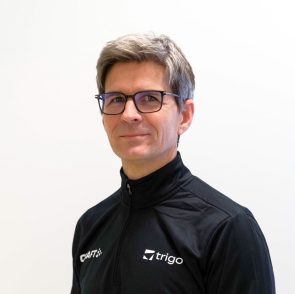
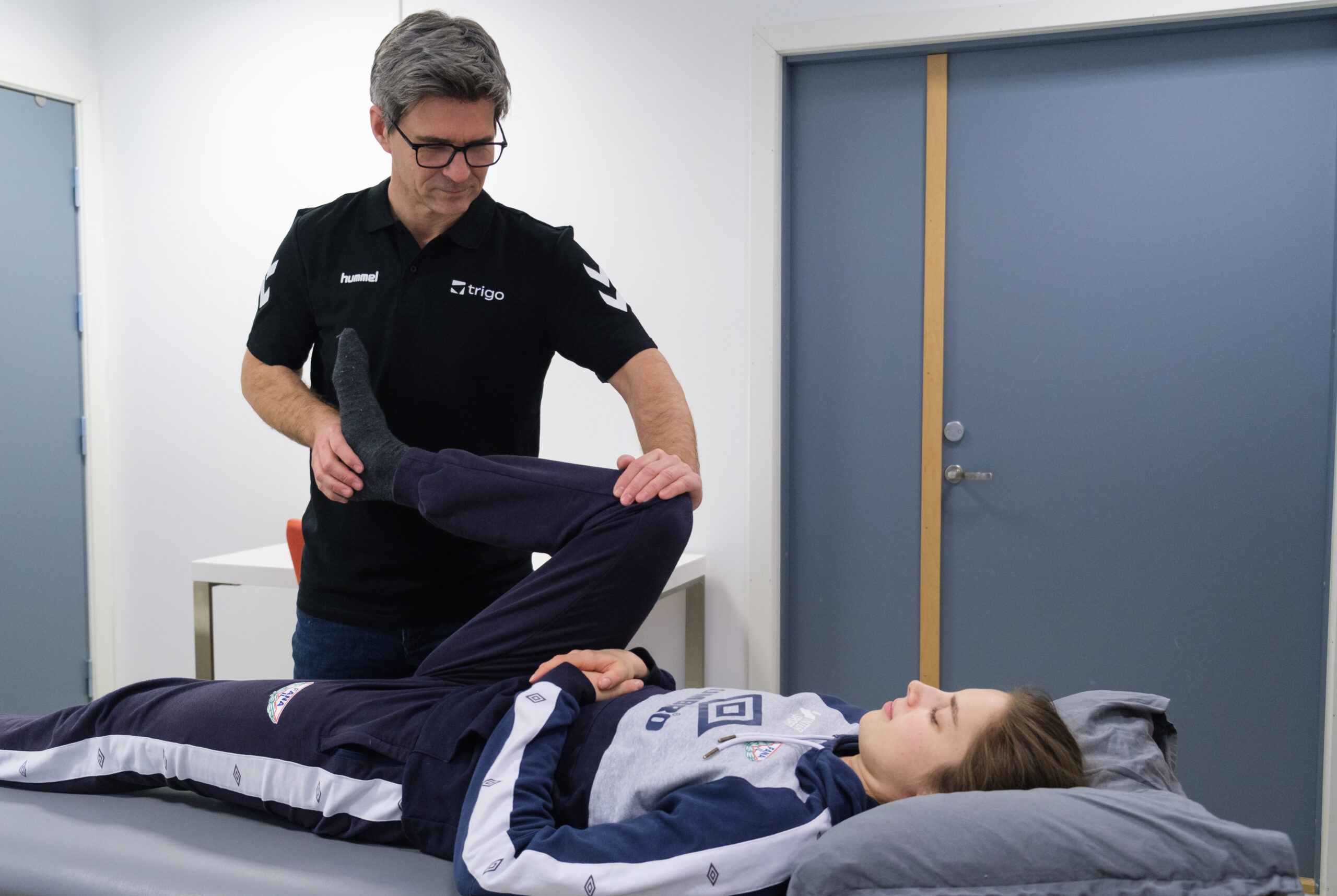
For more than twenty years, Frode Skjelvan worked directly with people living with pain, injury and long-term health challenges.
As a physiotherapist, he saw that many people improved during treatment, but struggled to sustain progress once formal care ended.
The challenge wasn’t simply delivering treatment. It was helping people stay healthy, resilient and able to cope with future demands.
That insight became the foundation of Trigo.
OUR ORIGIN, OUR EVOLUTION
Trigo’s first use cases came from musculoskeletal care because that was where Frode had deep experience and where the need was clear. But the principles proved broader.
Physiotherapy, movement, recovery, extended support.
Prevention, wellbeing, behaviour change, participation, multidisciplinary support.
The same factors that influence recovery from pain also influence wellbeing, lifestyle change, resilience and society participation.
OUR TEAM
A multidisciplinary team combining healthcare, digital health, technology and operational experience to deliver reliable, human-centred support.
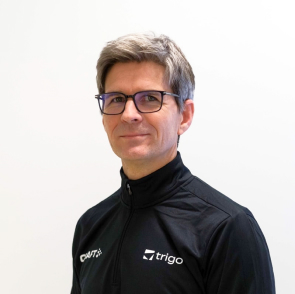
CEO
Healthcare entrepreneur, physiotherapist and elite coach with extensive experience developing practical approaches to supported self-care, prevention and digital health delivery.
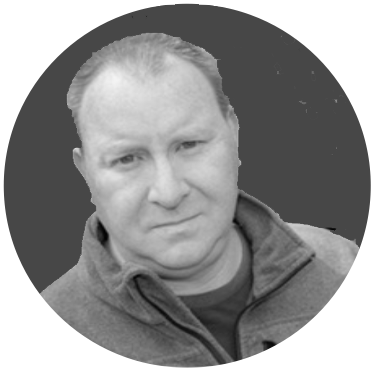
Chief Operating Officer
Business graduate with more than 30 years' commercial experience across healthcare, pharmacy and digital health. Extensive experience developing healthcare propositions and delivering regulated digital health services for the UK's leading pharmacy chain and some of the UK's largest insurers. Combines strategic product leadership with operational delivery to create scalable, customer-centred services.
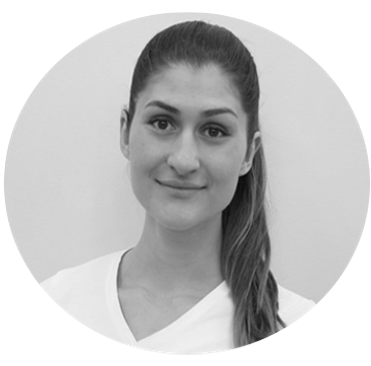
Content and Digital Physiotherapy
Physiotherapist with expertise in digital service delivery, health communication and creating accessible content that helps people understand and manage their health.
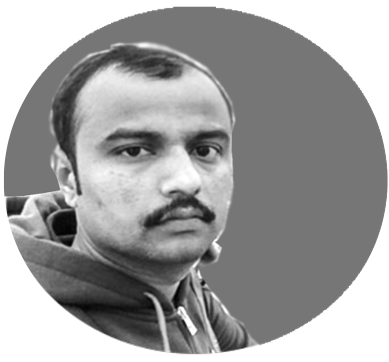
Head of Technology
Health technology specialist with extensive international experience developing and maintaining secure, scalable digital platforms.
OUR PHILOSOPHY
People achieve better outcomes when understanding, support and action come together.
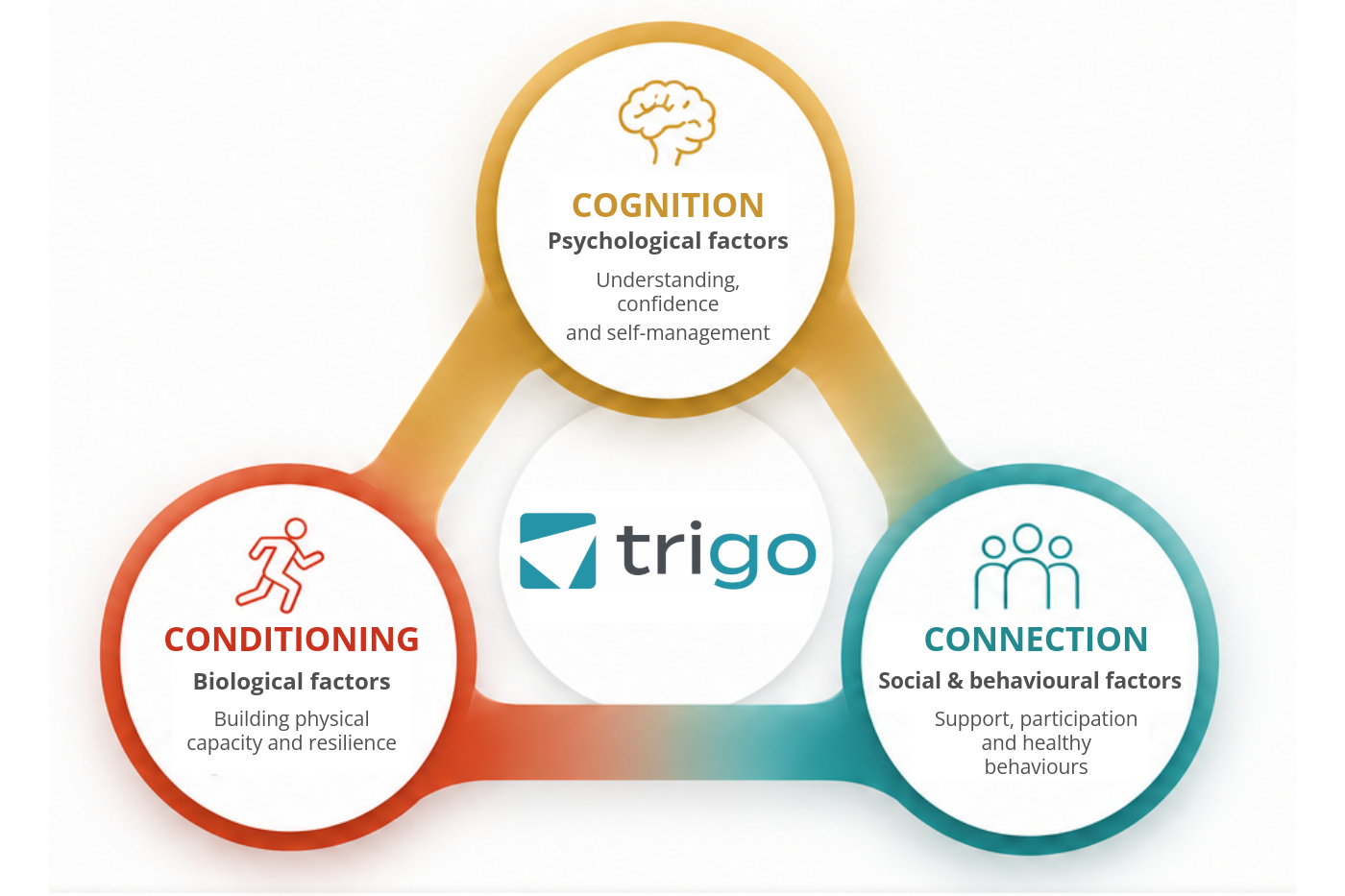
A PRACTICAL EXPRESSION OF THE BIOPSYCHOSOCIAL MODEL
Trigo brings together biological, psychological and social factors into one practical support model.

Movement, capacity, health behaviours and resilience.
Understanding, confidence, motivation and self-efficacy.
Support, communication, access and participation.

Supported self-care for better everyday health and wellbeing.
OUR VISION
Trigo was never created to be just another health app. It was built on a simple idea: when people are supported to understand their situation, take action earlier and build capacity over time, they are better prepared to meet the demands of everyday life, work and performance.
That is why Trigo helps organisations understand, measure and strengthen capacity and load readiness through earlier intervention, coordinated support and supported self-care.
We believe that better decisions, earlier action and the right support enable more people to function well, participate fully and perform over time.
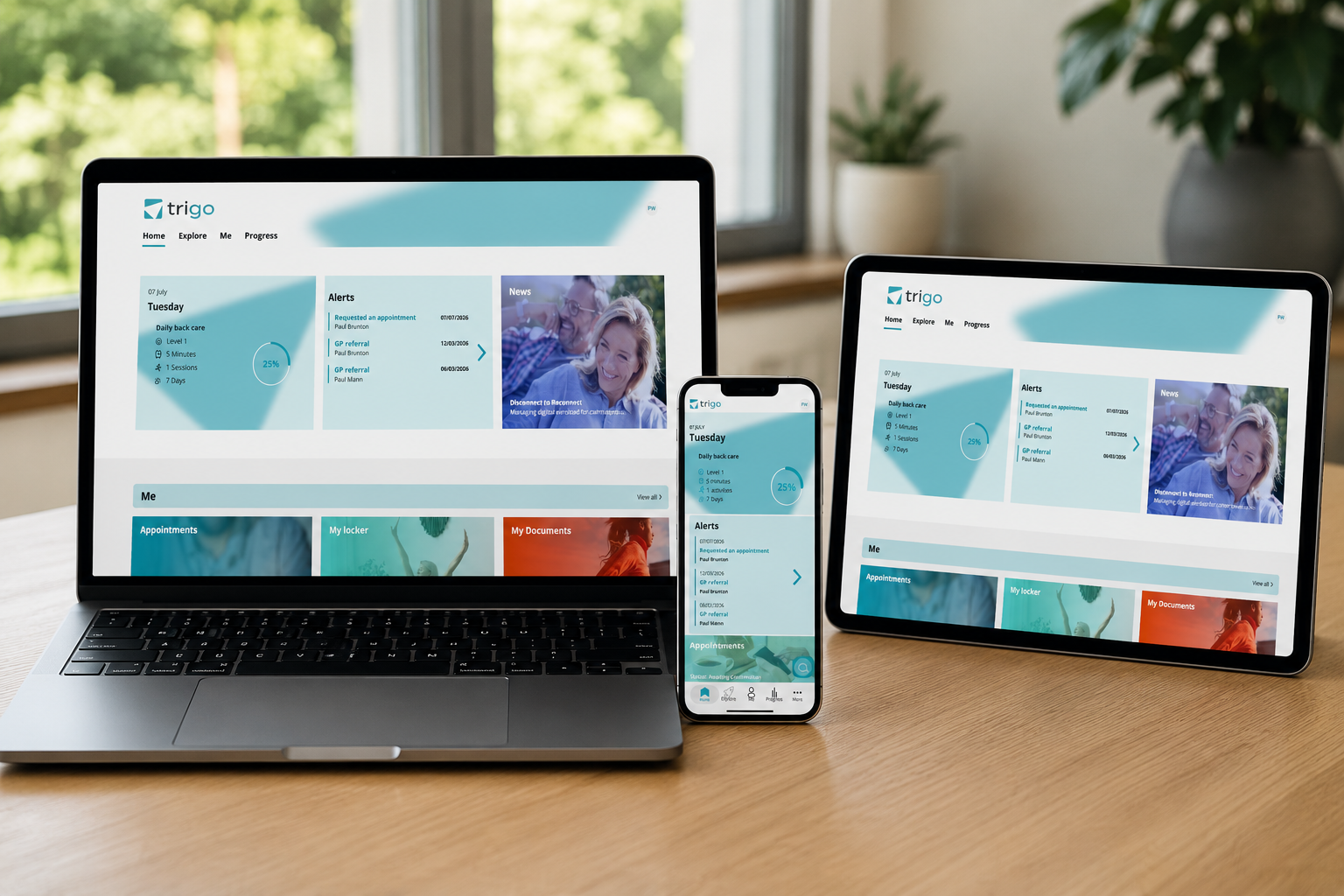
Trigo is the result of Frode Skjelvan’s belief that healthcare, prevention and wellbeing can work better when people are supported to take part in their own health.